
Cybersecurity of automation systems and technical infrastructure
OT, IT, and critical infrastructure security in compliance with IEC 62443 and NIS2.
- IEC 62443
- NIS 2
Threats
Why is Cybersecurity Critical Today?
The digitalization of technical infrastructure has opened up new attack vectors. Control systems for power, buildings, manufacturing, and server rooms are now fully integrated with IP networks. While this enhances functionality, it also expands the potential attack surface. Every integrated system represents a potential entry point, and the consequences of an incident extend far beyond the IT layer.
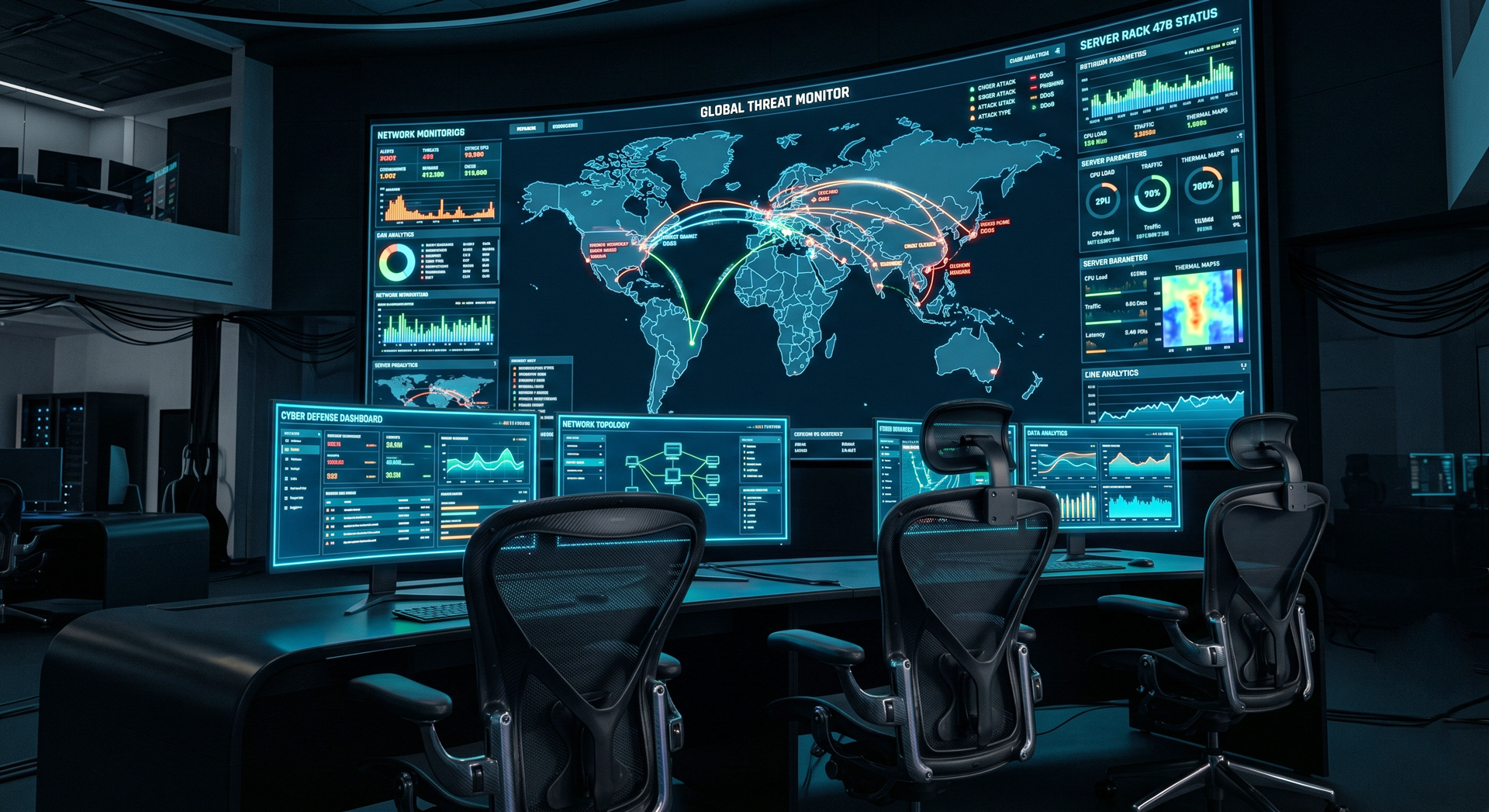
Types of Threats:
Ransomware on SCADA and BMS
Paralysis of control systems and loss of control over facility infrastructure.
Compromise of Remote OT Access
Unsecured maintenance connections become an attack vector into production environments.
Manipulation of Operational Parameters
Unauthorized changes to facility setpoints lead to downtime, equipment damage, and HSE (Health, Safety, and Environment) risks.
Sabotage of Power Systems
Attacks on power supplies and Power Monitoring present a real risk of blackouts.
Attacks on Data Centers / DCIM
Disruption of IT service continuity and loss of key customer trust.
Potential Consequences of Attacks:
Today, every technical system must be designed and implemented in accordance with current cybersecurity standards.
Our Approach
Security from Design to Maintenance
Symetrium delivers IT and automation systems in full compliance with current cybersecurity guidelines for IT and OT environments.
We design and implement:
SOT
Physical Security Information Management / Technical Security Systems.
BMS
Building Management Systems for critical facilities.
SCADA / Power SCADA
Supervisory control of industrial processes and power engineering.
Power Monitoring
Monitoring and power quality management.
DCS
Distributed Control Systems
DCIM
Data Center Infrastructure Management for server rooms and data centers.
We design in compliance with the following standards:
- IEC 62443
- NIS2
- KSC 2.0
- IEC 62443
- NIS2
- KSC 2.0
The IEC 62443 Standard
Compliance with IEC 62443 – OT System Security
IEC 62443 is currently the reference standard for industrial automation. We implement it practically — from network architecture to maintenance procedures.
Practical Implementation:
- Network segmentation (zones and conduits)
- Access control and identity management
- Securing communications between IT/OT systems
- Implementing secure architectures (defense-in-depth)
- Patch management and vulnerability management
- Security documentation starting at the detailed design stage
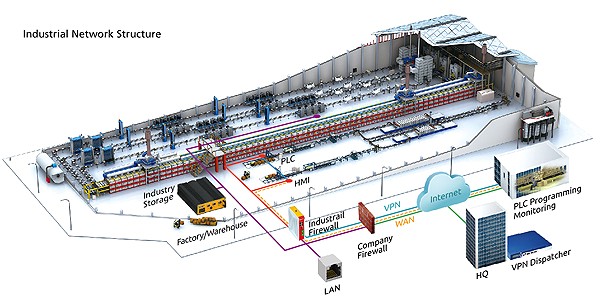
We prepare detailed designs that incorporate a security architecture compliant with IEC 62443, both for new installations and for the modernization of existing systems.
The NIS2 Directive / KSC 2.0
NIS2 and KSC 2.0 – Obligations of Infrastructure Operators
The NIS2 Directive and its implementation in Poland via the amendment to the KSC 2.0 expand the scope of entities subject to cybersecurity obligations.
Regulated Sectors:
- Energy / Power Sector
- Manufacturing / Industry
-
Transport
- Healthcare
- Digital infrastructure
- Data centers
Key Obligations:
- Risk analysis and implementation of adequate security measures
- Incident reporting and system protection
- Business Continuity
- Security audits
- Management board accountability for system protection levels
We support clients in aligning their technical infrastructure with these requirements – both during the investment stage and during operations.
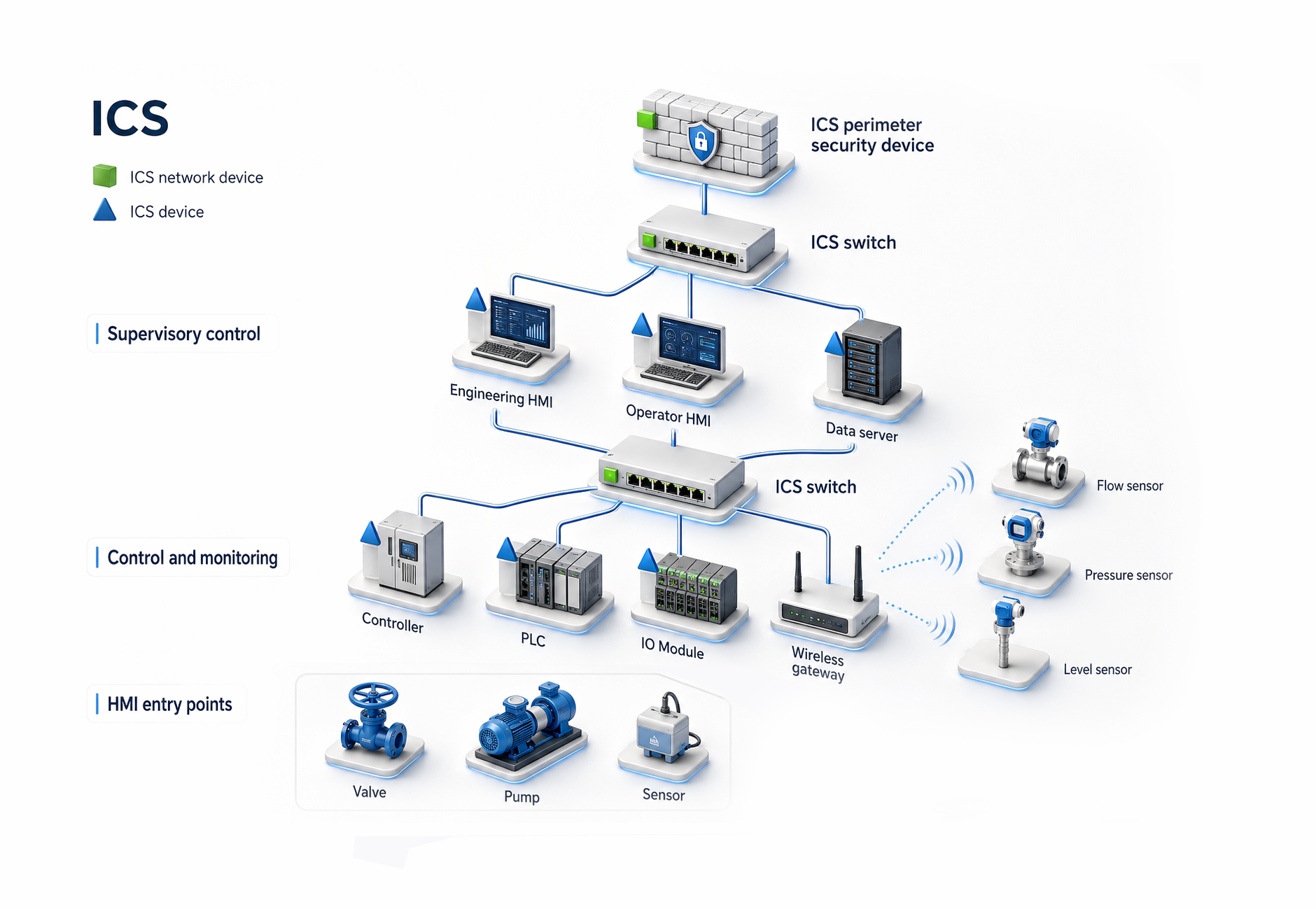
Security Architecture
Comprehensive Security From the Physical to the Logical Layer
Effective protection of technical infrastructure requires a coherent approach at every level. We design security measures as a unified system, not as a collection of standalone products.
Physical Layer
- Access control to server rooms and control cabinets
- CCTV monitoring and Intruder Alarm Systems (SSWiN)
- Segregation of critical infrastructure
- Hardening of network and automation devices
Network Layer
- OT/IT network segmentation
- Design of security zones
- Deployment of industrial firewalls
- Control of inter-system communication
- Secure remote access (VPN, MFA)
System and Application Layer
- Security policies and privilege management
- System hardening configurations
- Patch and vulnerability management
- Monitoring and event logging
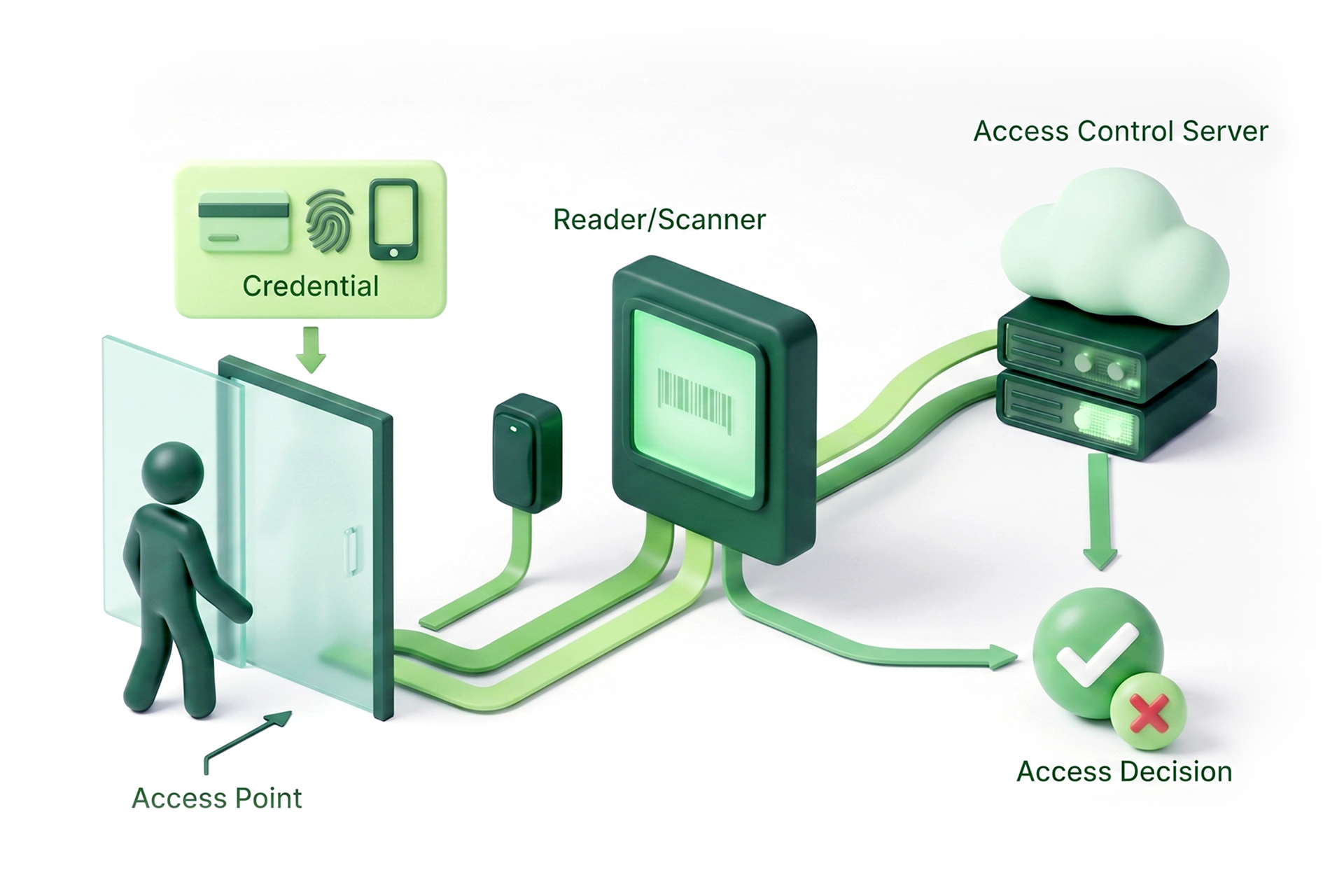
Audits
Critical Infrastructure Security Audits
An independent assessment of your security posture is the first step toward a real improvement in incident resilience. We audit both new installations and operational environments.
We audit the following systems:
Scope of the Audit
- Network architecture analysis
- Vulnerability identification
- IEC 62443 compliance assessment
- Support in preparing documentation for NIS2 / KSC 2.0
- Recommendations for corrective actions
Certified Competencies
Competencies Confirmed by ISO Standards
ISO 27001
Information Security Management System
This standard confirms that:
- We have implemented information protection procedures
- We manage cybersecurity risks
- We enforce access control and security policies
- We enforce access control and security policies
ISO 22301
Business Continuity Management System
This standard guarantees:
- Preparedness for crisis situations
- Incident response procedures
- Downtime minimization
- The ability to maintain service continuity
A Reliable Partner
Why the Choice of Partner Matters?
In an era of a growing number of cyberattacks on technical and industrial infrastructure, choosing a technology partner is no longer just an operational decision – it has become a strategic one.
Attacks on power systems, industrial facilities, data centers, or building infrastructure are no longer isolated incidents. This is a widespread phenomenon, increasingly sophisticated, and often targeted at specific facilities.
By choosing Symetrium, clients gain a partner that treats cybersecurity as an integral part of every deployment – from the physical layer and network architecture to organizational policies and business continuity.
We design systems with resilience to attacks in mind
We incorporate standard requirements as early as the conceptual phase
We minimize the risk of downtime and financial losses
We protect organizational reputation
We support the management board in fulfilling statutory obligations
Let’s Talk About Security